
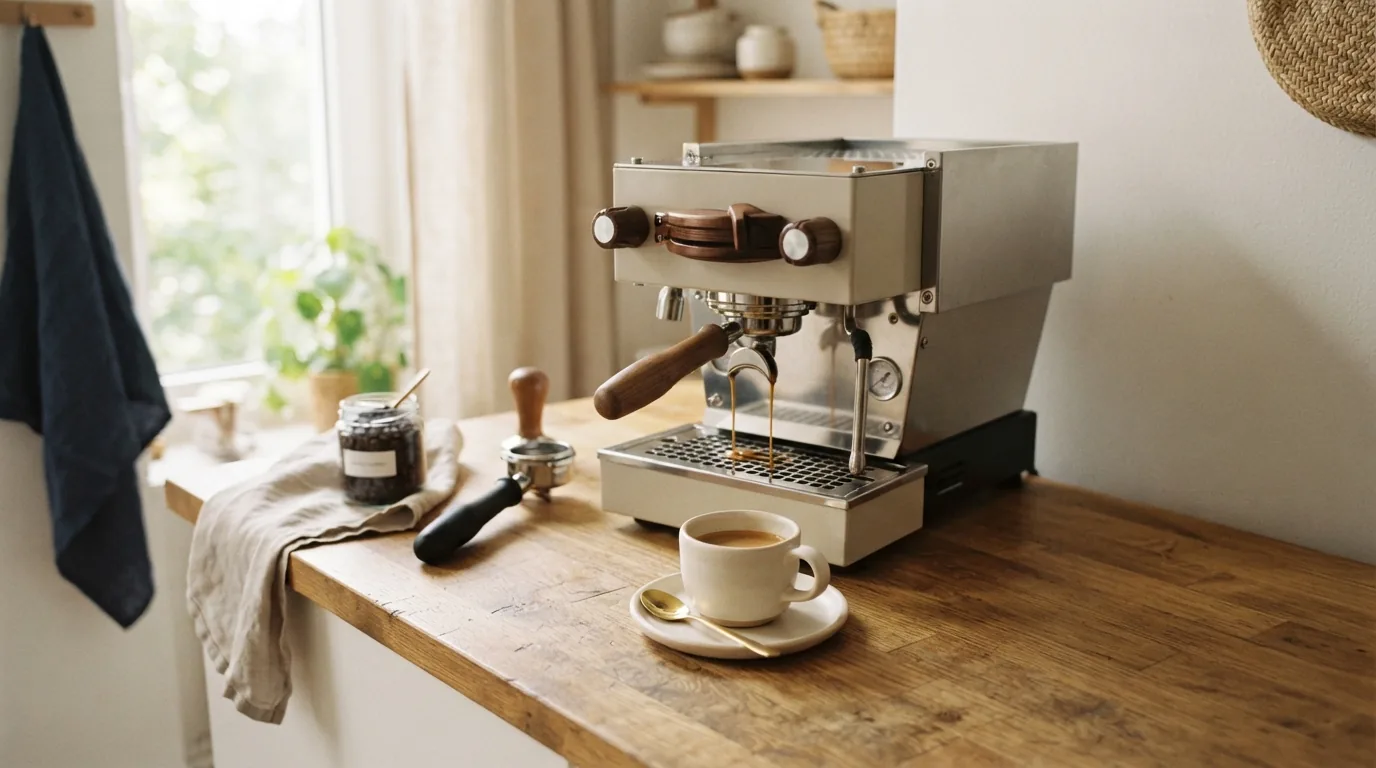
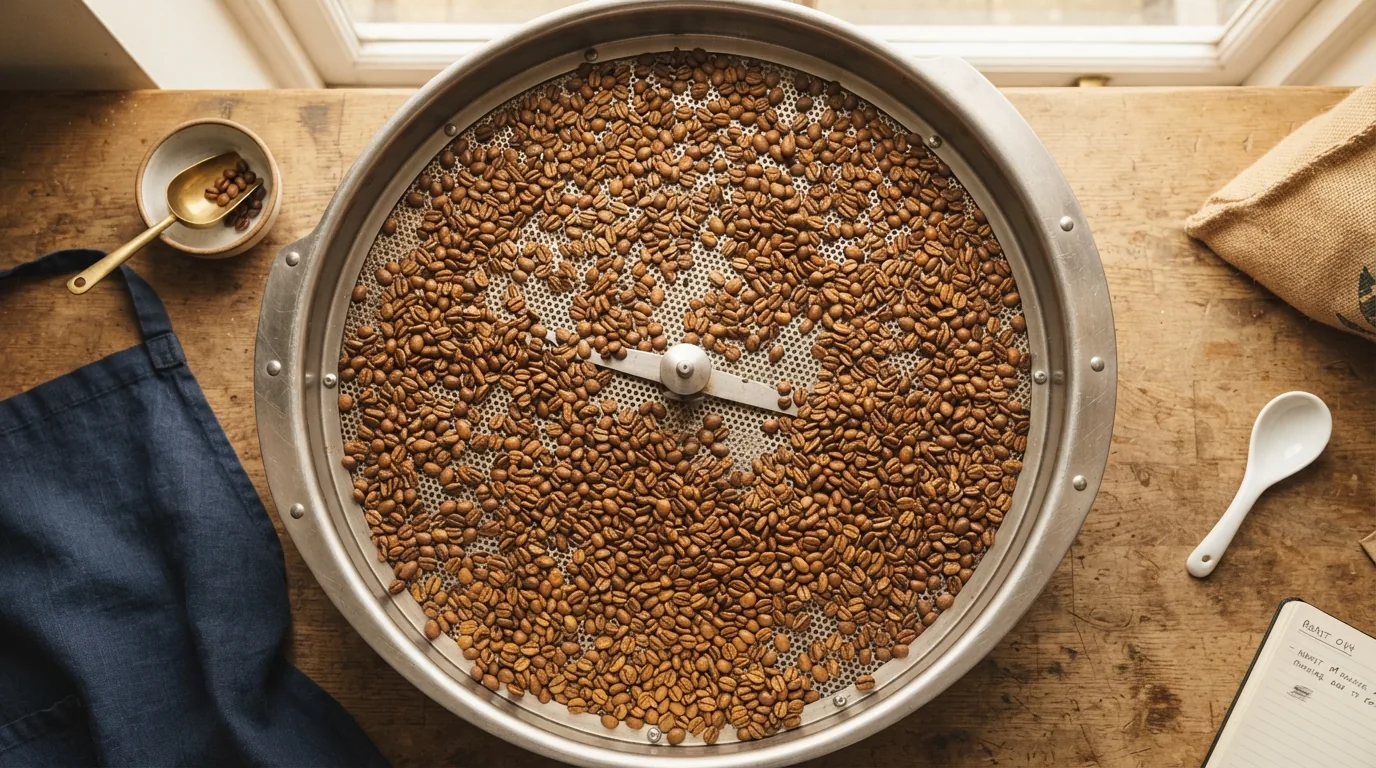
Ask most people what would improve their espresso most and they'll say a better machine or a better grinder. They're skipping the variable that actually sets the ceiling on both: the beans. A machine dialed in perfectly still can't get more out of a bag than what's actually in it, and espresso-roast blends are built differently from beans meant for drip or pour-over on purpose, engineered to hold up under real pressure and a short contact time rather than a slow, gentle steep.
"Espresso Roast" Is a Design Goal, Not a Legal Category
There's no formal, regulated definition of espresso roast the way there is for, say, extra virgin olive oil. What actually distinguishes these blends is intent: they're built and roasted to produce a balanced, syrupy shot under pressure rather than the brighter cup a longer, gentler brew is meant to deliver. A lot of espresso blends deliberately combine beans from multiple origins for exactly this reason, borrowing body from one origin and sweetness from another to build a specific, repeatable flavor profile, rather than showcasing one farm's individual character the way a single-origin filter roast typically does.
Two Bags, Two Different Philosophies
Stumptown Hair Bender, 12oz: The Bright, Complex Option
Start here if rich-and-heavy isn't actually what you want from a shot. Stumptown's signature blend, sourced across Latin America, East Africa and Indonesia, roasts on the lighter side of medium and leans into citrus, dark chocolate and a faint raisin sweetness rather than the low-acid heaviness most people associate with "espresso roast." It rewards drinkers who want their espresso to taste distinctly fruit-forward and complex instead of purely rich.

Stumptown Hair Bender Whole Bean Coffee, 12oz
Amazon listing: STUMPTOWN COFFEE ROASTERS, Whole Bean Medium Roast, Hair Bender 12 Oz
Multi-origin blend from Latin America, East Africa and Indonesia, medium roast, notably bright for an espresso bean
Lavazza Super Crema, 2.2lb: The Forgiving, High-Value Option
Lavazza's Super Crema has been a café and home-espresso staple for decades for a straightforward reason: it works. The Arabica-and-Robusta blend is built specifically for a thick, long-lasting crema and a mellow, nutty sweetness that tolerates a slightly imperfect dial-in better than most specialty single-origins would. The large 2.2lb bag also makes it one of the better per-shot values available, since you're paying less per ounce than you would for a 12oz specialty bag.
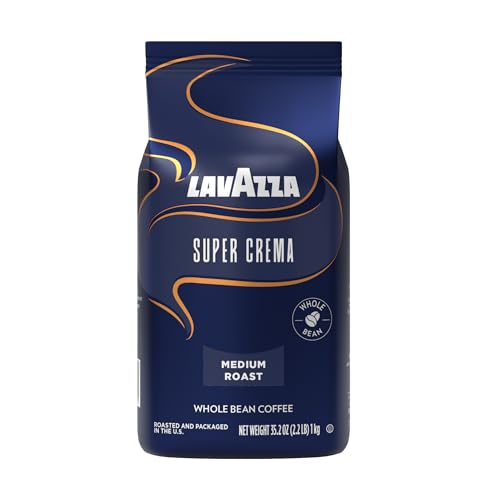
Lavazza Super Crema Whole Bean Coffee, 2.2lb
Amazon listing: Lavazza Super Crema Whole Bean Coffee, Medium Espresso Roast, Arabica and Robusta Blend, 2.2 lb Bag, Package…
Arabica and Robusta blend, medium roast, built for thick, lasting crema
“A better grinder narrows the gap between mediocre beans and great ones. It never closes it. The beans set the ceiling everything else on your counter has to work underneath.”
Why Both Picks Above Are Blends, Not Single-Origin
That's a deliberate choice specific to espresso. A well-built blend is engineered for balance under real pressure, body from one origin, acidity from another, sweetness from a third, in a way a single farm's beans don't always achieve on their own. Single-origin espresso has become more common at specialty cafés in recent years and can produce genuinely distinctive, showcase-worthy shots, but it tends to punish small dial-in errors more than a blend built specifically to smooth those variables out. If you're still refining grind and dose technique, a blend is the more forgiving starting point.
What a Bag Should Actually Cost
Specialty-grade espresso beans generally run somewhere between $14 and $22 for a standard 12oz bag, with large-format blends like Super Crema landing at a lower effective per-shot cost purely from bulk sizing. A bag priced dramatically below that range is worth a second look at its roast date and sourcing transparency; real green coffee, and the labor and sourcing behind it, has a genuine cost floor that unusually cheap bags often cut corners to get under.
Roast Date, Not Roast Level, Is the Freshness Variable That Matters
Neither pick above is meaningfully "fresher" than the other sitting on a shelf, since both are specialty-scale operations that roast close to order rather than warehousing beans for months. But once a bag lands on your counter, the same freshness clock starts regardless of brand. Coffee generally tastes best in the roughly 4-to-14-day window after roasting, once initial degassing has settled but before the brighter aromatics start to fade, and staying inside that window matters more than which of these two blends you chose in the first place. Our coffee bean storage guide covers the full routine for protecting it.
Buy Whole Bean, Grind Per Shot
Both picks are sold whole bean rather than pre-ground, and that's not incidental. Ground coffee's surface area is exposed to oxygen the moment it's ground, and it stales dramatically faster than whole beans as a result, often noticeably flatter within days rather than weeks. A decent grinder is a genuinely necessary companion to either of these bags, not an optional add-on. Our best coffee grinders 2026 guide covers options at every price point, and our science of espresso extraction guide walks through dialing in grind size once you've settled on a bag.
If Caffeine Is the Constraint, Not the Blend
Both of these blends have a reasonable decaf counterpart worth looking at instead of ruling out espresso entirely. Our decaf coffee guide covers the actual decaffeination methods behind modern decaf, plus how to blend regular and decaf beans into a half-caf routine that keeps the ritual of a real shot without the full caffeine load.
Worth saying plainly before wrapping up: there's no single "correct" espresso bean, only the one that matches what you actually want in the cup. A drinker who wants rich, chocolatey and low-acid will be happier with Super Crema every single time, regardless of how well-reviewed a bright, fruit-forward blend is elsewhere. Treat the two picks above as a starting point for your own palate, not a verdict to follow blindly.